Numbers!
Ensure your child fully understands them and their properties!
 |
The natural number system starts with the number 1, and is all whole numbers greater than this. Once children have learned these they will move on by learning their whole numbers. The hardest part of this is to understand the concept of Zero. |
Once this has been accomplished they continue their journey of numbers parallel to understanding the concepts of the different mathematical operations.
The names given to to different types of numbers are used in everyday language on a regular basis. A good idea for you as a parent is to use these words effortlessly in your conversations. They don't necessarily have to be associated with math when you do this. By doing this, as your child moves forward in their numbers education, the official terms wont sound like a foreign language to them!
Some examples of Math Numbers Vocabulary being used in every day language.
- Get Real!
- He is such a Rational Person.
- Radical Dude!
- They are in their Prime.
- Don't be so Irrational!
These are just a few examples. I'm sure you can come up with a lot more when you sit down to think about it.
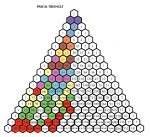
Teaching Numbers to your K6 Student. |
 |
As you introduce different types of numbers to your K-6 student, it is a good idea to always bring the new concepts back to natural numbers, whole numbers and integers. An example of this is 3/4 (three quarters). This is not just three quarters of something!
We teach our children how to write whole numbers in expanded notation. Learning to represent fractions or rational numbers in different ways is also very important. 3/4 can also be written as 1/4 x 3 and as 1/4 + 1/4 + 1/4. If your child has a sound understanding of the concepts of multiplication, addition, division and subtraction, fractions will be a breeze!
As you progress through all the different lessons on numbers here, you will notice how I do this. You will also find printable math worksheets for your child to practice their new knowledge, as well as printable manipulatives to help you teach the concepts.
What else is helpful to teaching these essentials?
I also provide printable math posters and cheat sheets that you can offer your child. These are great to print off (I also suggest putting them in plastic sleeves or laminating them). Pop them into a ring binder, so they are all in one place for your kids easy access. Using these visual study aids, I believe, is a lot better than calculators!
You will also find board games, card games and puzzles that you can play with your child to have a little fun with math, and reinforce their math facts at the same time!
Here is a comprehensive list of the numbers and operations your child must learn during their K6 Math journey.
- Natural Number Comprehension
- Whole number comprehension
- Addition and multiple digit addition
- Subtraction and multiple digit subtraction
- Multiplication and long multiplication
- Division and long division
- Intigers (negative numbers)
- Prime numbers
- Greatest Common Divisor (GCD)
- Least Common Multiple (LCM)
- Rational Numbers (Fractions)
- Addition of Rational Numbers
- Multiplication of Rational Numbers
- Division of Rational Numbers
- Decimals
- Percentages - Directly linking to Data Analysis
- Ratio and Proportion
- Calculation in a base different to base 10
- Representation of the different numbers
- History of our number system including Roman Numerals
-
- Composite Numbers
- Factors
- Perfect Squares & Perfect Cubes
This may seem like a lot of work, and it is. But remember, it is also over Seven years of Elementary education.
I offer some great ways of teaching your child, no matter what their learning style, so so they will understand each section completely.
Remember however, no matter how you teach your child, or how they learn, ultimately our education is based on proof of knowledge through examinations. Ensure you offer your child enough practice for each skill you cover with them by offering them our free printable math worksheets. Math practice makes perfect math! You can access these by Grade Level or by Subject Area.
Once your child is comfortable with the numbers you cover, ensure they can use all operations on them!
Keep In Touch!
You can send me a quick message, follow me on Facebook or why not join our community of like minded parents? Choose all the options so you don't miss any of the new material added to this site.
JOIN THE CONVERSATION ON FACEBOOK

Types of Numbers
- Natural
- Whole
- Integers
- Real
- Rational
- Irrational
- Radical
- Prime
- Composite
- Decimals
-
Roman Numerals
Concepts
- Place Value
- Expanded Notation
- Number Line
- Comparing and Ordering
Know the Skill your Child must Know
Knowing every skill your child must master makes your task of helping them a lot more straight forward.
Your Tutoring Business?

Beyond Elementary
School ...
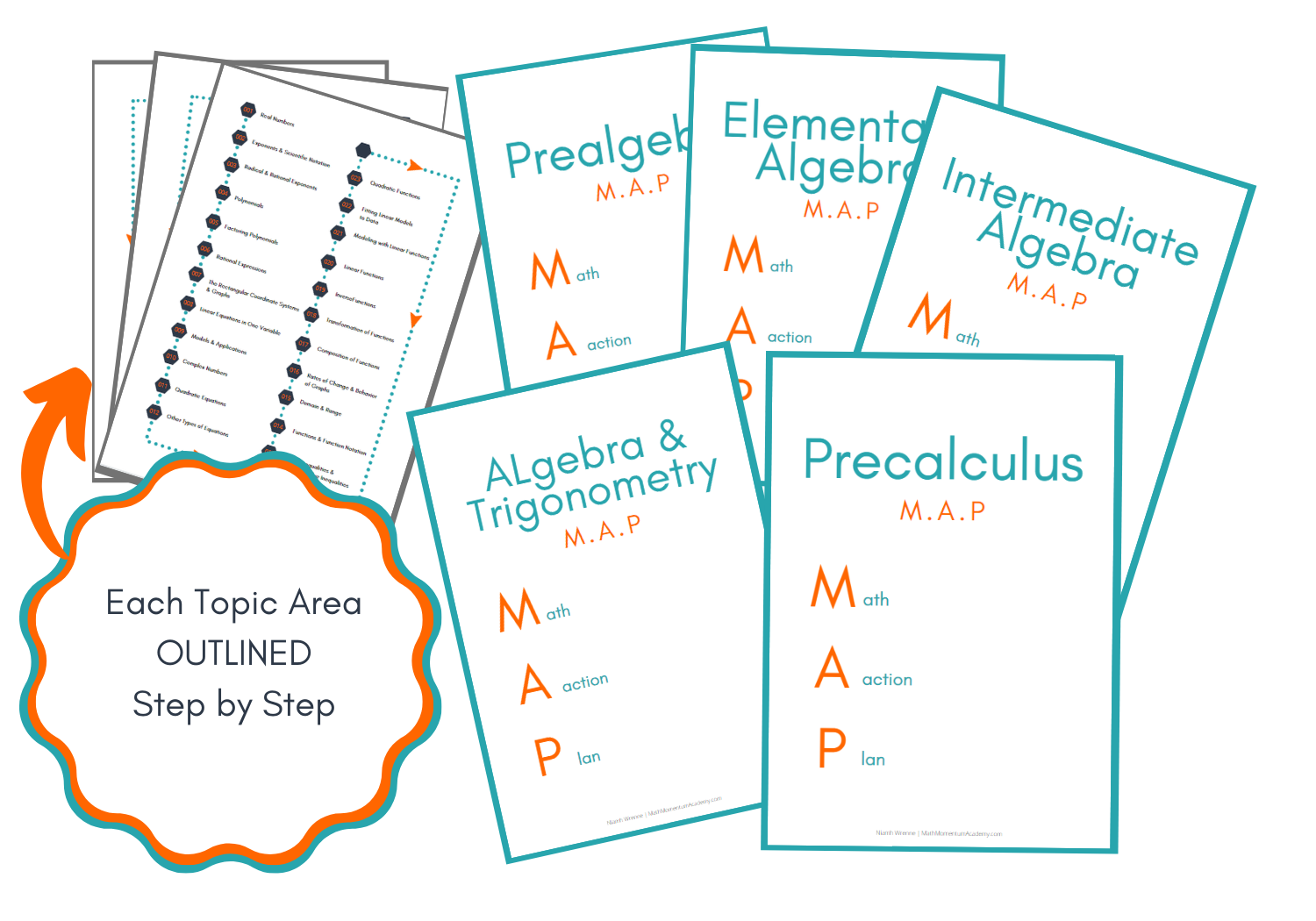
A clear M.A.P. makes a journey easier.